Introduction: Texas Takes on Hemp
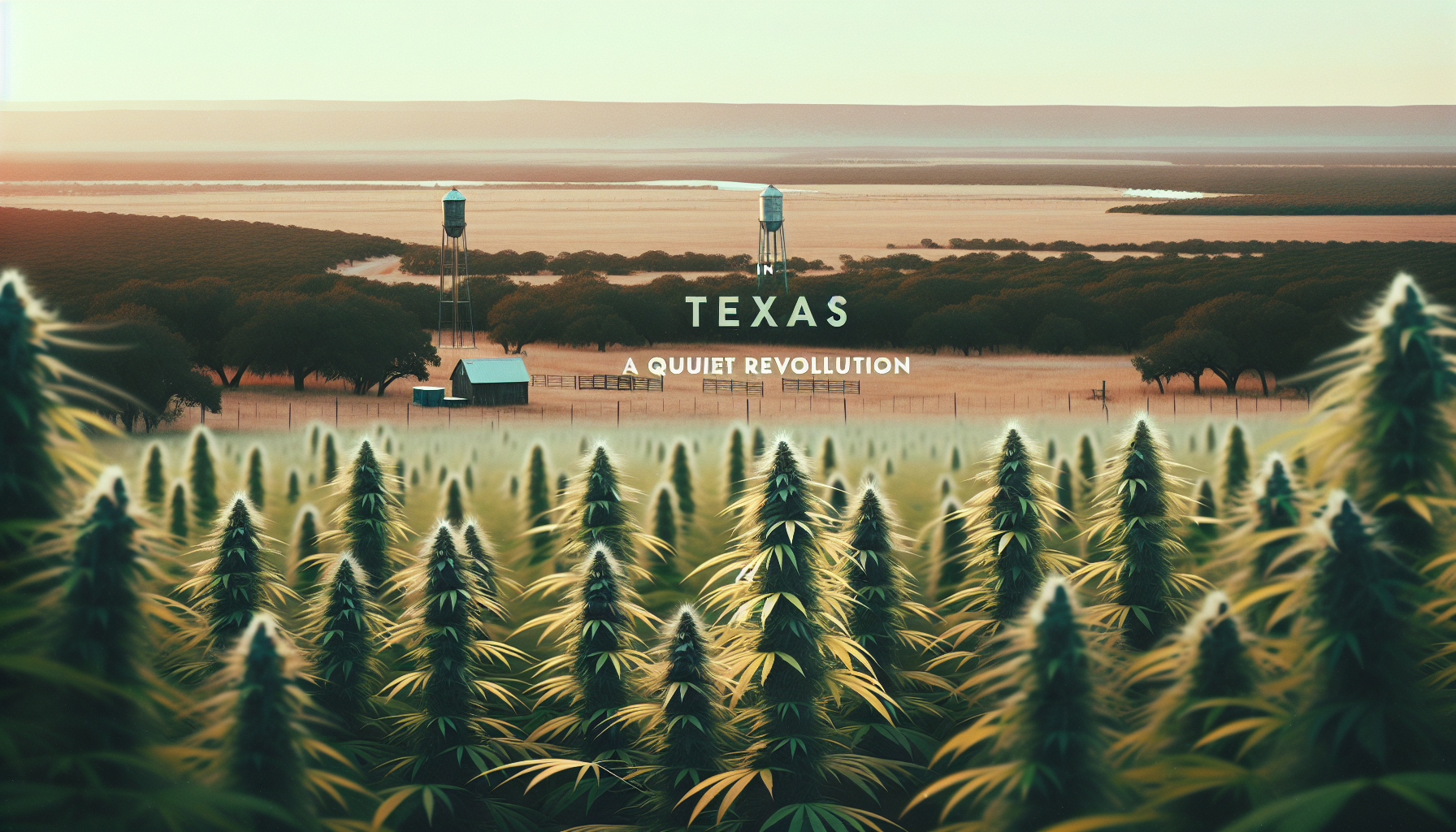
Hemp farming is experiencing a quiet revolution in Texas, a state more famously known for its oil and cattle than its cultivation of hemp. Since the legalization of hemp in the 2018 Farm Bill, Texas has moved swiftly to establish itself as a leader in this burgeoning industry. This pivot towards hemp cultivation is redefining agricultural practices and economic opportunities across the state, promising a sustainable future in Texas farming.
Legislative Green Lights
The journey of hemp in Texas gained significant momentum following the passage of House Bill 1325 in 2019, which aligned state laws with federal guidelines and legalized hemp with a THC concentration of no more than 0.3%. This legislative green light heralded a new era for farmers seeking alternatives to traditional crops like cotton and soy. The Texas Department of Agriculture (TDA) has set rigorous standards for licensing, testing, and compliance, ensuring that the industry grows responsibly and sustainably. Understanding these regulations is paramount for anyone interested in getting involved in the Texas hemp scene.
Harnessing Hemp's Potential
The versatility of hemp is one of its most compelling attributes. Capable of being used in products ranging from textiles to CBD oil, and even bioplastics, hemp offers Texas farmers diverse market opportunities. Moreover, hemp is praised for its low water usage compared to traditional Texas crops, an important attribute in a state often plagued by drought conditions. This aspect alone positions hemp as a more sustainable option, aligning with broader environmental goals and the state's economic development in agriculture.
Economic Impact and Challenges
The economic implications of hemp farming in Texas are significant. With a large agricultural infrastructure already in place, the state is poised to support large-scale production and processing facilities. Nevertheless, the hemp industry in Texas faces challenges such as fluctuating market prices for hemp products, federal and state regulatory hurdles, and the need for ongoing education about the crop's benefits and cultivation practices. Navigating these challenges is essential for the sustained growth of the hemp industry in Texas.
The Future of Hemp in Texas
Looking ahead, the future of hemp in Texas appears promising. Continued innovation and investment in cultivation and processing technologies could solidify the state’s position as a key player in the US hemp industry. Educational efforts by organizations like the Texas Hemp Growers Association help to break down misconceptions about hemp and promote its benefits, from economic gains to environmental sustainability.
As Texas continues to evolve and expand its hemp farming capabilities, it indeed seems that a quiet revolution is underway, reshaping the landscape of Texas agriculture and offering a template for other states to follow in the pursuit of sustainable and economically viable farming practices.