The Roots of the Matter: Soil Cultivation in Texas
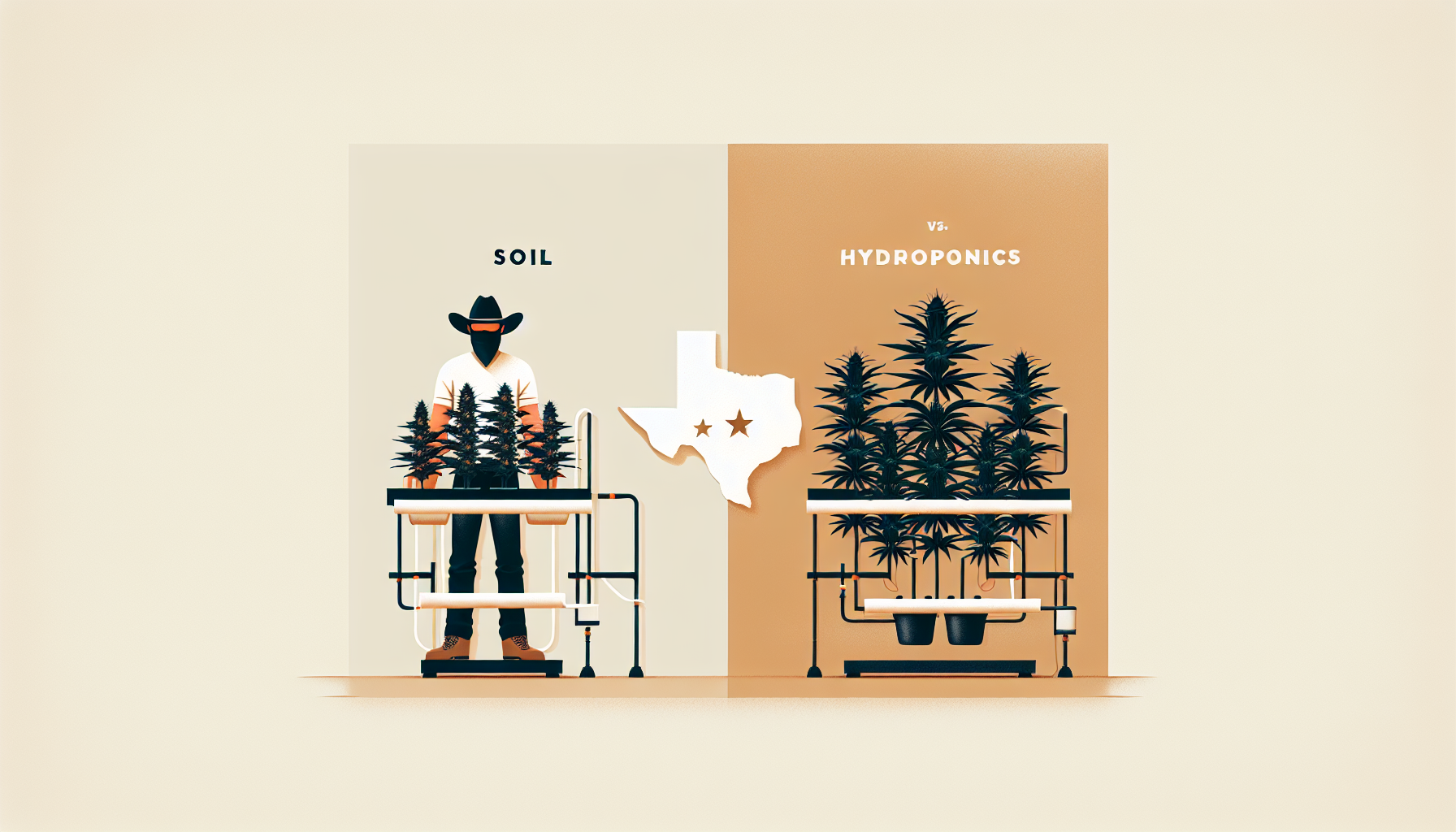
In the diverse and ever-evolving world of cannabis cultivation, Texas growers are engaged in an ongoing debate between traditional soil-based methods and the increasingly popular hydroponic systems. Soil, as a natural medium, has been at the heart of agriculture for eons. It offers a variety of benefits that appeal to both novice and experienced growers. Soil allows for a buffer in nutrient delivery, reducing the risk of overfeeding plants. This aspect is particularly appealing in regions of Texas where growers might face more extreme weather conditions that could affect plant health.
Additionally, many growers in Texas prefer soil because it is often seen as less intimidating than hydroponics for those new to growing cannabis. There’s also an argument to be made about the taste and quality of organically grown cannabis, which some purists believe is superior when plants are grown in natural soil.
Flowing into the Future: The Rise of Hydroponics
Conversely, hydroponic systems are carving out significant space in the Texas cannabis cultivation scene. Hydroponics involves growing plants without soil, instead using solutions filled with essential nutrients. This method allows growers precise control over the nutrient intake of their plants, potentially leading to higher yields and faster growth cycles. In Texas, where space and water are at a premium in certain areas, hydroponics offers a solution by using water more efficiently and requiring less physical space than traditional soil farming.
The ability to grow indoors under controlled environmental conditions also means that hydroponic systems can produce harvests year-round. This is a major advantage in a market where the demand for cannabis is consistently high, offering Texas growers a more dependable business model.
Sustainability and Efficiency: A Core Consideration
Amid the soil versus hydroponics debate, sustainability is a significant factor for many Texas growers. Traditional soil methods, while natural, often involve more water and land compared to hydroponics. On the other hand, hydroponic systems, while using water more efficiently, require energy for pumps, lights, and other equipment, potentially increasing the carbon footprint unless renewable energy sources are used.
Generational and Technological Divides
The preference between soil and hydroponics often also mirrors generational lines and technological comfort levels. Older, more traditional growers in Texas might stick with soil due to familiarity and a less steep learning curve, whereas newer, tech-savvy generations are more inclined to adopt hydroponic systems, attracted by the promise of innovation and efficiency.
Looking Ahead: What Will Texas Grow?
As the legal landscape around cannabis continues to evolve in Texas and beyond, growers are likely to continue experimenting with both methods to refine their practices and outputs. Whether leaning towards the earthy roots of soil or the technological tide of hydroponics, Texas cannabis growers are on a frontier, constantly adapting and evolving in response to the market and environmental needs.
Each method brings its own set of challenges and benefits, and as Texas continues to foster a growing cannabis industry, the debate between soil and hydroponics is set to deepen, reflecting broader trends in agriculture and sustainability. Ultimately, the choice may come down to personal preference, specific crop needs, and long-term environmental impacts.