Lone Star Growing: Adapting Cannabis Cultivation to Texas Climates
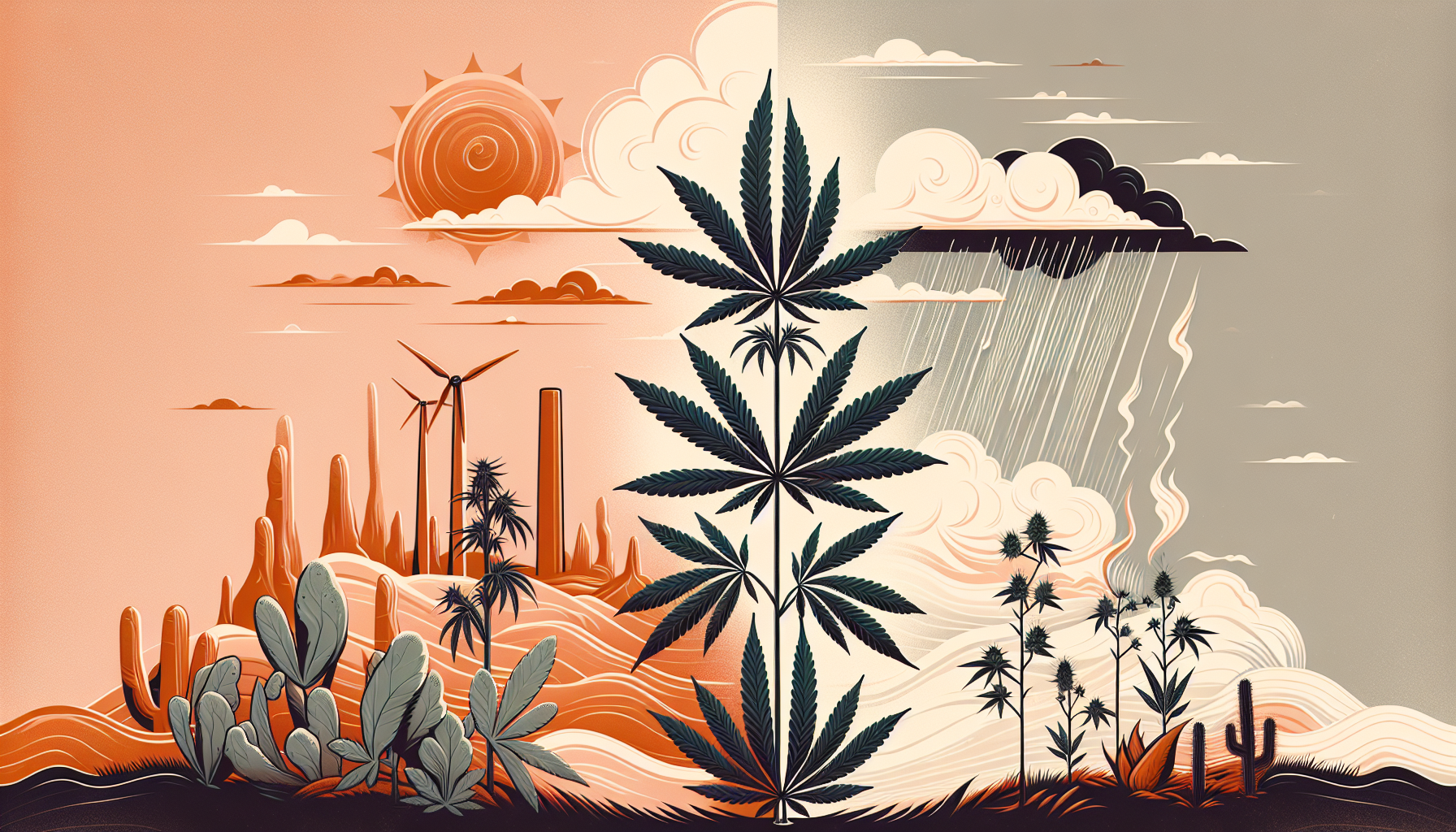
Growing cannabis in Texas presents a unique set of challenges due to the state's diverse and often harsh climate conditions. From scorching summers to unexpected frosts, Texas weather can be unpredictable and extreme, posing significant obstacles for cannabis cultivators. Understanding these challenges and implementing effective strategies to mitigate them is crucial for successful cannabis growth in the Lone Star State.
Beating the Heat: Strategies for Hot Texas Summers
Texas is notorious for its intense heat, particularly during the summer months when temperatures can soar above 100 degrees Fahrenheit. This extreme heat can stress cannabis plants, potentially stunting growth and affecting yield. To combat the heat, cultivators can consider several adaptation techniques:
Timing is Everything
Planting schedules should be adjusted so that the most critical stages of cannabis growth avoid the peak summer temperatures. This may involve starting plants earlier in the year or using auto-flowering cannabis strains that have a shorter growth cycle.
Shade and Shelter
Providing shade using cloth or other protective covers can help lower the temperature around the plants. Additionally, using high-quality mulch can keep the root zone cooler and retain moisture in the soil.
Efficient Water Management
Drip irrigation systems are ideal for maintaining consistent moisture levels without overwatering. This method also conserves water, which is particularly beneficial in areas of Texas where water restrictions are common during drought conditions.
Frost Advisory: Preparing for Cold Snaps
While heat is a primary concern, unexpected cold fronts can also threaten cannabis plants, particularly in northern Texas. Frost can damage or kill cannabis plants, so taking precautions is essential.
Forecast Vigilance
Monitoring local weather forecasts diligently allows growers to prepare and react swiftly to sudden drops in temperature. Installing temporary enclosures or frost cloths over the plants can provide necessary warmth and protection.
Choosing the Right Strain
Opting for cannabis strains that are resilient to colder temperatures can be a game-changer. Indica strains, for instance, are generally more resistant to colder climates compared to their sativa counterparts.
Year-Round Challenges: Wind and Storm Management
In addition to temperature extremes, Texas is also prone to heavy winds and storms, which can cause physical damage to cannabis plants. Establishing windbreaks using natural barriers like trees or artificial structures can shield plants from harsh winds. Reinforced greenhouse structures can also offer protection from both wind and rain, ensuring that plants remain safe and stress-free.
Long-Term Success with Perseverance and Innovation
Adapting cannabis cultivation to the challenging climates of Texas requires innovation, perseverance, and a proactive approach to problem-solving. By understanding the specific climate-related challenges and implementing strategic solutions, cultivators can enhance the resilience of their plants and achieve successful harvests year after year.
The journey of growing cannabis in Texas may be fraught with climate hurdles, but with the right strategies in place, these challenges can be effectively managed. Whether you’re a seasoned grower or a curious newcomer, the key to success lies in adapting to the environment and continuously seeking improvements in your cultivation practices.